


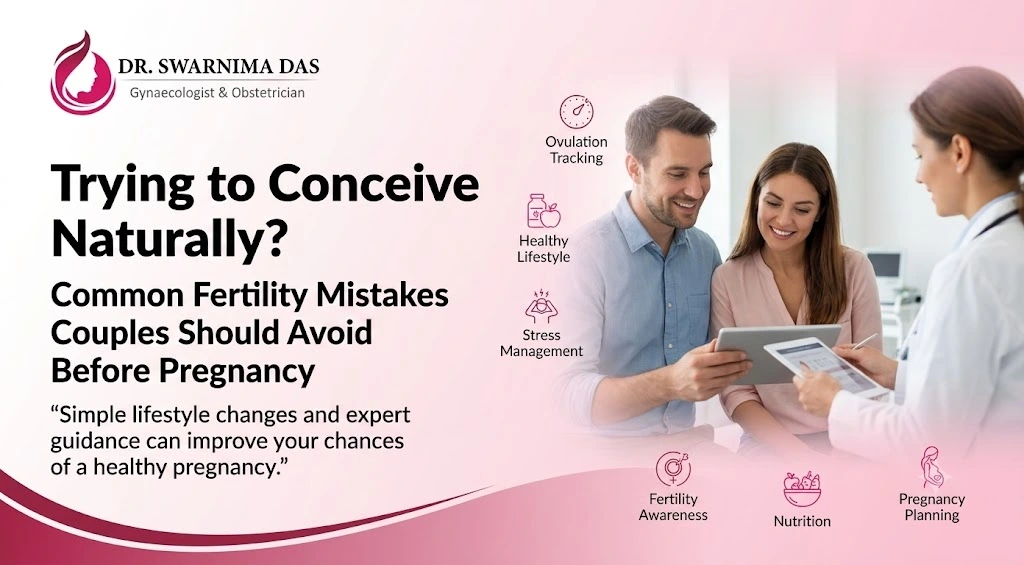
Many couples expect pregnancy to happen quickly once they decide to start a family. While some conceive within a few months, others may take longer even when they are having regular unprotected intercourse. Understanding the fertility mistakes couples should avoid can help improve pregnancy planning and reduce avoidable delays in conception.
Natural conception depends on several factors, including the health of both partners, timing of intercourse, ovulation, sperm quality, age, and lifestyle. Small but common mistakes—such as missing the fertile window, ignoring irregular menstrual cycles, or assuming fertility concerns only affect women—can influence the chances of pregnancy.
This guide explains how fertility works, common mistakes that may delay conception, and when couples should consider seeking professional fertility advice.
Why Some Couples Take Longer to Conceive Naturally
Conception is a complex biological process. For pregnancy to occur naturally:
- The woman needs to ovulate.
- Healthy sperm must reach and fertilize the egg.
- The fertilized egg must successfully implant in the uterus.
Even among healthy couples, the chance of pregnancy in a single menstrual cycle is limited. It is therefore normal for conception to take several months.
Factors that may influence fertility include:
- Age of both partners
- Ovulation regularity
- Sperm quality
- Lifestyle habits
- Underlying medical conditions
- Body weight
- Smoking or alcohol use
- Stress and sleep patterns
Taking longer to conceive does not automatically mean infertility, but persistent difficulties should be evaluated appropriately.
How Fertility Works in Men and Women
Successful conception depends on both partners.
Female Fertility
Female fertility relies on:
- Regular ovulation
- Healthy fallopian tubes
- A healthy uterus
- Balanced hormone levels
- Good overall health
Ovulation usually occurs about 14 days before the next menstrual period, although this varies from person to person.
Male Fertility
Male fertility depends on:
- Adequate sperm count
- Healthy sperm movement (motility)
- Normal sperm shape (morphology)
- Overall reproductive health
Male factors contribute to fertility difficulties in a significant proportion of couples, making evaluation of both partners important when conception is delayed.
Common Fertility Mistakes Couples Should Avoid
Mistake #1: Missing the Fertile Window
One of the most common reasons couples struggle to conceive naturally is incorrect timing.
The fertile window generally includes the five days before ovulation and the day of ovulation itself. Since sperm can survive in the female reproductive tract for several days, having intercourse during this period increases the chance of fertilization.
Helpful ways to identify the fertile window include:
- Tracking menstrual cycles
- Monitoring cervical mucus changes
- Using ovulation predictor kits
- Tracking basal body temperature (with guidance)
Relying on calendar dates alone may not accurately predict ovulation, particularly for women with irregular cycles.
Mistake #2: Ignoring Irregular Menstrual Cycles
Irregular periods are sometimes overlooked, especially if they have been present for years.
However, irregular menstrual cycles may indicate:
- Infrequent ovulation
- Hormonal imbalance
- Polycystic ovary syndrome (PCOS)
- Thyroid disorders
- Elevated prolactin levels
- Other reproductive health conditions
Women experiencing irregular cycles while trying to conceive should discuss these symptoms with a healthcare professional rather than assuming they are normal.
Mistake #3: Assuming Fertility Is Only a Woman’s Issue
A common misconception is that difficulty conceiving is usually caused by female fertility problems.
In reality, fertility challenges may involve:
- Female factors
- Male factors
- A combination of both
- Unexplained infertility
Because male reproductive health plays a vital role in conception, fertility evaluation should usually include both partners.
Mistake #4: Delaying Pregnancy Planning Because “There’s Plenty of Time”
Age has an important influence on fertility.
Female fertility gradually declines with age, particularly after the mid-30s, due to a reduction in both the number and quality of eggs.
Male fertility may also change with age, although the decline is often more gradual.
Couples planning pregnancy later in life may benefit from preconception counseling to understand age-related considerations and discuss any individual risk factors.
Mistake #5: Unhealthy Lifestyle Habits
Daily habits can affect reproductive health in both men and women.
Lifestyle factors that may influence fertility include:
- Smoking
- Excessive alcohol consumption
- Recreational drug use
- Poor nutrition
- Physical inactivity
- Obesity or being significantly underweight
- Chronic sleep deprivation
- Long-term unmanaged stress
Adopting healthier habits before pregnancy supports overall wellbeing and may contribute to better reproductive health.
Mistake #6: Overlooking Male Fertility
Male fertility is sometimes underestimated during pregnancy planning.
Several factors may affect sperm health, including:
- Smoking
- Excessive alcohol intake
- Certain medical conditions
- Exposure to high temperatures
- Some medications
- Hormonal disorders
- Varicocele (enlarged veins in the scrotum)
When pregnancy is delayed, evaluating sperm health is an important part of the fertility assessment.
Mistake #7: Believing Stress Alone Causes Infertility
Stress can affect emotional wellbeing, relationships, sleep, and healthy lifestyle habits.
While stress alone does not necessarily cause infertility, ongoing psychological stress may indirectly influence reproductive health and make the process of trying to conceive more challenging.
Managing stress through healthy coping strategies, relaxation techniques, physical activity, and emotional support may improve overall wellbeing during pregnancy planning.
Mistake #8: Ignoring Preconception Health
Preparing for pregnancy involves more than simply trying to conceive.
Preconception care may include:
- Reviewing existing medical conditions
- Updating vaccinations if needed
- Managing chronic illnesses
- Beginning folic acid supplementation as recommended
- Reviewing medications with a healthcare professional
- Maintaining a healthy body weight
- Screening for certain health conditions when appropriate
These measures support maternal health and help create a healthy environment before conception.
How to Improve Your Chances of Natural Conception
Couples can support their reproductive health by focusing on evidence-based lifestyle measures.
These include:
- Maintaining a balanced, nutrient-rich diet.
- Exercising regularly without excessive training.
- Achieving a healthy body weight.
- Tracking ovulation accurately.
- Avoiding smoking and recreational drugs.
- Limiting alcohol consumption.
- Getting sufficient sleep.
- Managing stress effectively.
- Taking recommended preconception supplements under medical guidance.
- Attending preconception counseling if planning pregnancy.
These steps cannot guarantee pregnancy but may help optimize overall reproductive health.
Preparing for a Healthy Pregnancy
Before conception, both partners should prioritize their general health.
Helpful preparation includes:
- Scheduling a preconception health check.
- Reviewing family medical history.
- Managing chronic health conditions.
- Discussing current medications.
- Maintaining routine physical activity.
- Following a balanced diet.
- Ensuring adequate intake of folic acid as advised.
- Updating vaccinations where appropriate.
Healthy pregnancy planning involves both partners and should be individualized based on age, medical history, and reproductive goals.
When Should Couples Seek Fertility Advice?
It is natural to wonder how long to keep trying before seeking medical advice. The answer depends on factors such as age, menstrual regularity, medical history, and the health of both partners.
You should consider consulting a fertility specialist if:
- You are under 35 years of age and have been trying to conceive for 12 months without success.
- You are 35 years or older and have been trying for 6 months without conceiving.
- You have irregular or absent menstrual periods.
- You have a history of pelvic inflammatory disease, endometriosis, or recurrent pregnancy loss.
- The male partner has a history of testicular injury, surgery, or known fertility concerns.
- Either partner has a medical condition that may affect fertility.
A timely evaluation helps identify potential factors affecting conception and allows appropriate guidance based on your individual circumstances.
What Happens During a Fertility Consultation?
A fertility consultation is designed to understand the health of both partners rather than focusing on one individual.
Your doctor may discuss:
- How long you have been trying to conceive
- Menstrual cycle history
- Previous pregnancies or miscarriages
- Medical and surgical history
- Current medications
- Lifestyle habits such as smoking, alcohol use, sleep, and exercise
- Family history of reproductive or genetic conditions
Depending on the findings, investigations may include:
For Women
- Ovulation assessment
- Hormonal blood tests
- Ultrasound examination
- Ovarian reserve assessment
- Tubal patency tests (when indicated)
For Men
- Semen analysis
- Hormonal evaluation (if required)
- Physical examination
- Additional investigations based on clinical findings
Not every couple requires extensive testing. Recommendations are individualized after a detailed assessment.
Conclusion
Trying to conceive naturally can be an exciting yet emotionally challenging journey. Understanding common fertility mistakes—such as missing the fertile window, overlooking male fertility, delaying evaluation, or ignoring lifestyle factors—can help couples make informed decisions while planning for pregnancy.
Every couple’s fertility journey is unique. If you have concerns about delayed conception, irregular menstrual cycles, or other reproductive health issues, consider consulting a qualified fertility specialist or obstetrician–gynaecologist. A personalised assessment can help identify possible contributing factors and guide the next steps based on your individual health needs.
Medical Disclaimer
This article is intended for educational purposes only and should not be considered medical advice, diagnosis, or treatment. Every couple’s fertility journey is different. If you have concerns about fertility or pregnancy planning, consult a qualified obstetrician, gynaecologist, or fertility specialist for an individual assessment.
Frequently Asked Questions
1. What are the most common fertility mistakes couples make?
Common mistakes include missing the fertile window, ignoring irregular menstrual cycles, delaying fertility evaluation, unhealthy lifestyle habits, and assuming fertility concerns only affect women.
2. Can stress affect fertility?
Stress may not directly cause infertility, but ongoing stress can affect sleep, lifestyle habits, emotional wellbeing, and relationships, which may indirectly influence reproductive health.
3. How often should couples have intercourse when trying to conceive?
Many healthcare professionals recommend regular intercourse every two to three days throughout the menstrual cycle or during the fertile window, depending on individual circumstances.
4. Does age affect fertility?
Yes. Female fertility gradually declines with age, particularly after the mid-30s. Male fertility can also decline over time, although it is generally more gradual.
5. Should both partners undergo fertility testing?
Yes. Since fertility depends on both partners, evaluation often includes both male and female reproductive health.
6. Can diet improve fertility naturally?
A balanced, nutrient-rich diet supports overall health and reproductive function. However, no specific food or diet can guarantee pregnancy.