


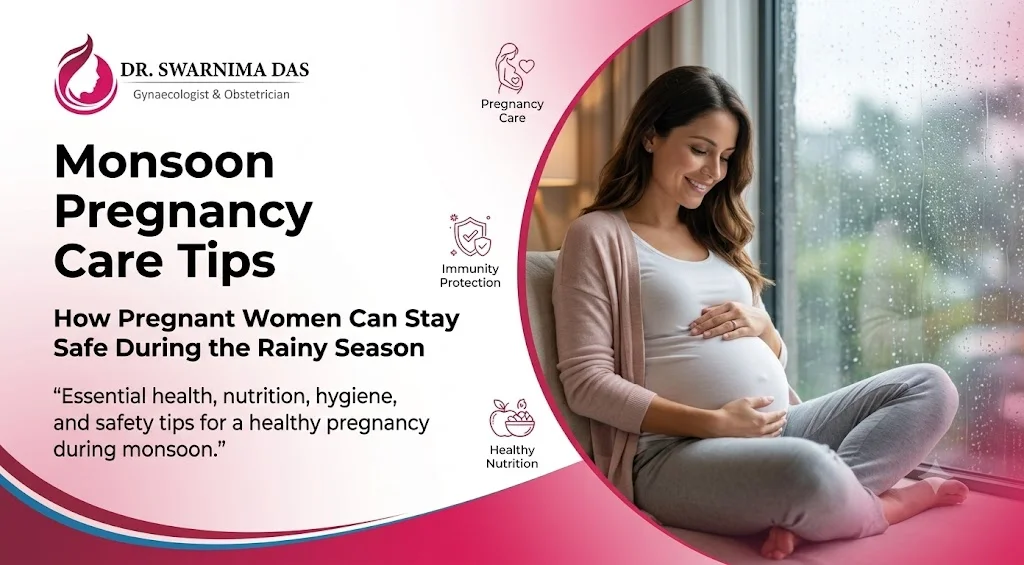
Pregnancy is a time when staying healthy becomes even more important, and the rainy season brings unique challenges that require extra attention. Following the right monsoon pregnancy care tips can help reduce the risk of infections, dehydration, food-borne illnesses, and mosquito-borne diseases while supporting the well-being of both mother and baby.
In India, monsoon weather often increases exposure to contaminated water, seasonal flu, stomach infections, and illnesses such as dengue and malaria. Simple precautions related to hygiene, nutrition, hydration, and regular prenatal care can make a significant difference.
Why Does Pregnancy Need Extra Care During the Monsoon?
Pregnancy naturally changes the immune system, metabolism, and circulation. Combined with humid weather and increased exposure to bacteria, viruses, and mosquitoes during monsoon, these changes may increase the likelihood of certain infections or discomforts.
Common seasonal concerns include:
- Viral fever and influenza
- Mosquito-borne illnesses like dengue and malaria
- Gastrointestinal infections from contaminated food or water
- Skin fungal infections
- Dehydration despite cooler temperatures
- Slippery roads and fall-related injuries
While many pregnancies progress normally through the rainy season, preventive measures are important to minimize avoidable risks.
Common Health Risks During Monsoon Pregnancy
1. Mosquito-Borne Diseases
Standing water during monsoon creates breeding grounds for mosquitoes that spread dengue and malaria. High fever, body aches, rash, or severe weakness during pregnancy should not be ignored and require medical evaluation.
2. Water-Borne and Food-Borne Infections
Unsafe drinking water and improperly prepared foods may lead to diarrhea, vomiting, or stomach infections. Persistent gastrointestinal illness can contribute to dehydration and nutritional deficiencies.
3. Seasonal Viral Illnesses
Flu-like infections become more common during rainy weather. Symptoms such as fever, cough, sore throat, and breathing difficulty should be assessed by a healthcare professional.
4. Skin and Fungal Infections
Constant humidity may cause itching, fungal rashes, or irritation in skin folds. Keeping the skin dry and maintaining hygiene can reduce these problems.
5. Accidental Falls
Wet floors and slippery roads increase the chance of falls, which may pose additional concerns during pregnancy.
Monsoon Pregnancy Care Tips for Staying Safe
Maintain Excellent Hand Hygiene
Wash hands thoroughly before eating and after returning home. Carry alcohol-based sanitizer when soap and water are unavailable.
Drink Safe Water
Use boiled, filtered, or properly purified drinking water. Avoid water from uncertain sources while traveling.
Eat Freshly Cooked Meals
Freshly prepared hot food is generally safer than food left at room temperature for extended periods.
Protect Yourself from Mosquitoes
Reduce mosquito exposure by:
- Wearing full-sleeved clothing
- Using doctor-approved mosquito protection measures
- Eliminating stagnant water around the home
- Keeping windows screened where possible
Avoid Walking on Slippery Surfaces
Wear footwear with good grip and avoid rushing in wet conditions.
Continue Prenatal Appointments
Routine antenatal visits remain important throughout monsoon. Do not postpone scheduled check-ups solely because of rainy weather unless travel is unsafe.
Pregnancy Diet During the Rainy Season
Nutrition plays an essential role in supporting maternal health and fetal development.
Foods to Include
- Fresh seasonal fruits that can be washed and peeled
- Cooked vegetables
- Whole grains
- Lentils and legumes
- Eggs or well-cooked protein sources
- Milk and pasteurized dairy products
- Nuts and seeds in moderation
Foods to Limit or Avoid
- Raw salads from unreliable sources
- Street food exposed to rainwater or poor hygiene
- Undercooked meat or seafood
- Unpasteurized dairy products
- Cut fruits sold in open markets
- Leftover food stored improperly
A balanced diet should be individualized based on medical history and nutritional requirements discussed with a healthcare provider.
Staying Hydrated During Monsoon
Some people drink less water during rainy weather because they sweat less. However, hydration remains essential during pregnancy.
Tips include:
- Sip water regularly throughout the day.
- Include soups or fresh homemade beverages when appropriate.
- Monitor urine color; darker urine may indicate inadequate hydration.
- Increase fluid intake if vomiting or diarrhea occurs, while seeking medical advice.
Boosting Immunity Safely During Pregnancy
Rather than relying on supplements without medical guidance, focus on evidence-based healthy habits:
- Adequate sleep
- Balanced nutrition
- Prenatal vitamins prescribed by your doctor
- Moderate physical activity when medically appropriate
- Stress management
- Vaccinations recommended by your obstetrician
Avoid self-medicating with herbal products or over-the-counter remedies without professional advice.
Preventing Stomach Infections
Food safety is particularly important during monsoon.
Practical precautions include:
- Wash produce thoroughly.
- Eat freshly prepared meals.
- Refrigerate leftovers promptly.
- Avoid raw sprouts and improperly cooked foods.
- Check expiration dates on packaged products.
If severe vomiting or diarrhea develops, seek medical attention rather than attempting prolonged self-treatment.
Can Dengue Affect Pregnancy?
Dengue infection during pregnancy deserves prompt medical assessment because high fever, dehydration, or complications may require monitoring. Not every case leads to pregnancy-related problems, but early diagnosis helps guide appropriate care and supportive management.
Symptoms may include:
- High fever
- Severe headache
- Joint or muscle pain
- Skin rash
- Nausea
- Bleeding tendencies in some cases
Any suspected dengue symptoms warrant immediate evaluation.
Is Travel Safe During Monsoon Pregnancy?
Travel decisions depend on gestational age, pregnancy risk factors, and medical advice.
When traveling:
- Carry prenatal records.
- Keep emergency contact numbers accessible.
- Stay hydrated.
- Avoid unnecessary long journeys during severe weather.
- Use seat belts correctly if traveling by car.
Women with high-risk pregnancies should discuss travel plans with their obstetrician beforehand.
Warning Signs That Need Medical Attention
Contact your healthcare provider or seek urgent evaluation if you experience:
- Fever above 38°C (100.4°F)
- Reduced fetal movements (when applicable)
- Persistent vomiting
- Severe abdominal pain
- Vaginal bleeding
- Leakage of fluid
- Difficulty breathing
- Severe headache with vision changes
- Signs of dehydration
- Fainting or confusion
- Painful urination with fever
Prompt assessment helps determine the cause and appropriate management.
Conclusion
The rainy season does not have to be a source of anxiety during pregnancy. Paying attention to hygiene, mosquito protection, balanced nutrition, hydration, and scheduled prenatal care can support maternal health throughout the monsoon months. If you develop fever, persistent vomiting, severe abdominal pain, unusual swelling, or any other concerning symptoms, seek professional medical evaluation promptly.
Medical Disclaimer: This content is intended for educational purposes only and should not be considered a substitute for personalized medical advice, diagnosis, or treatment from a qualified healthcare professional.
FAQs
- Is monsoon season risky during pregnancy?
Monsoon can increase exposure to mosquito-borne and water-borne infections, but appropriate hygiene, nutrition, and prenatal care help reduce many risks. - What precautions should pregnant women take during the rainy season?
Drink safe water, eat freshly cooked food, protect against mosquitoes, avoid slippery areas, maintain hygiene, and attend regular prenatal visits. - Can dengue affect pregnancy?
Dengue during pregnancy requires prompt medical evaluation because fever and dehydration may need monitoring and supportive care. - What foods should pregnant women eat during monsoon?
Freshly cooked meals, whole grains, cooked vegetables, pasteurized dairy, fruits that can be washed and peeled, and adequate protein sources are generally recommended. - When should a pregnant woman see a doctor for fever?
Any persistent fever or fever accompanied by rash, breathing difficulty, severe weakness, abdominal pain, or reduced fetal movement should be medically assessed. - How can pregnant women prevent infections during monsoon?
Practice hand hygiene, consume safe food and water, reduce mosquito exposure, maintain household cleanliness, and avoid self-medication.