


Infertility treatment for couples involves identifying the factors affecting conception and developing an individualized treatment plan for both partners. When pregnancy does not occur despite regular unprotected intercourse, it can raise questions, concerns, and emotional stress for many couples.
Infertility may involve male factors, female factors, a combination of both, or unexplained causes. Modern fertility evaluation and treatment approaches aim to understand the underlying reason and recommend appropriate interventions based on clinical findings, age, reproductive health history, and family planning goals.
This guide explains common causes of infertility, fertility testing, treatment options, and when couples should consider consulting a fertility specialist in Bhubaneswar.
What Is Infertility?
Infertility is generally defined as the inability to achieve pregnancy after:
- 12 months of regular unprotected intercourse for couples under 35 years
- 6 months of regular unprotected intercourse for women aged 35 years and above
Infertility can affect either partner and should be evaluated as a shared reproductive health concern rather than focusing on one individual alone.
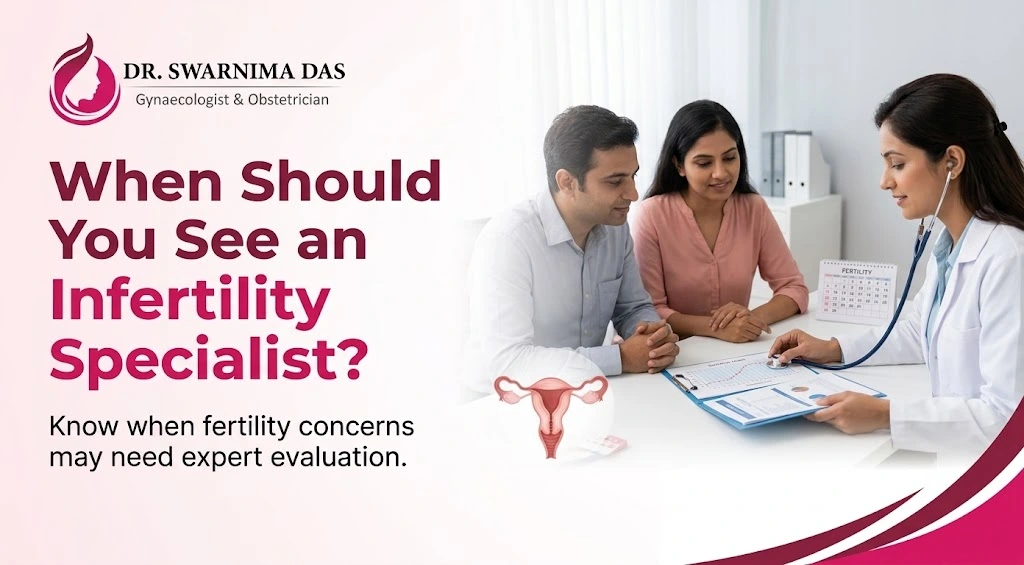
When Should Couples Seek Infertility Treatment?
Couples may benefit from a fertility evaluation if they experience:
- Unable to conceive after one year of trying
- Difficulty conceiving after six months if the woman is over 35
- Irregular or absent menstrual cycles
- History of recurrent pregnancy loss
- Known reproductive health conditions
- Previous pelvic infections or surgeries
- Concerns regarding sperm quality or male fertility
Seeking professional guidance helps identify potential factors contributing to infertility and determine suitable next steps.
Common Causes of Infertility in Men and Women
Female Causes of Infertility
Several reproductive health conditions can affect fertility in women.
Ovulation Disorders
Ovulation problems are among the most common causes of infertility and may occur due to:
- Polycystic Ovary Syndrome (PCOS)
- Hormonal imbalances
- Thyroid disorders
- Elevated prolactin levels
Fallopian Tube Problems
Blocked or damaged fallopian tubes can interfere with fertilization.
Possible causes include:
- Pelvic inflammatory disease
- Previous infections
- Endometriosis
- Prior pelvic surgery
Endometriosis
Endometriosis occurs when tissue similar to the uterine lining grows outside the uterus and may affect fertility by altering pelvic anatomy and reproductive function.
Age-Related Fertility Decline
Female fertility gradually decreases with age due to changes in egg quantity and quality.
Male Causes of Infertility
Male factors contribute significantly to infertility cases and should always be evaluated.
Low Sperm Count
Reduced sperm concentration may decrease the likelihood of fertilization.
Poor Sperm Motility
Even when sperm count is normal, impaired movement can affect the ability of sperm to reach the egg.
Abnormal Sperm Morphology
Structural abnormalities in sperm may impact fertilization potential.
Hormonal and Medical Conditions
Factors such as hormonal disorders, infections, varicocele, certain medications, and chronic illnesses can influence fertility.
Do Both Partners Need Fertility Testing?
Yes.
A comprehensive infertility evaluation typically includes assessment of both partners because infertility may result from:
- Female factors
- Male factors
- Combined factors
- Unexplained infertility
Evaluating both individuals helps avoid delays in diagnosis and supports more accurate treatment planning.
How Is Infertility Diagnosed?
The fertility evaluation process usually begins with a detailed medical history and physical examination.
Doctors may review:
- Menstrual history
- Previous pregnancies
- Lifestyle factors
- Medical conditions
- Medication use
- Family history
- Sexual and reproductive health history
Additional testing is recommended based on individual circumstances.
Fertility Tests for Couples
Female Fertility Tests
Common investigations may include:
Ovulation Assessment
Blood tests help evaluate hormone levels involved in ovulation.
Ultrasound Examination
Pelvic ultrasound can assess:
- Ovarian reserve indicators
- Follicular development
- Uterine abnormalities
Ovarian Reserve Testing
These tests estimate the remaining egg supply and reproductive potential.
Tubal Patency Evaluation
Procedures such as HSG (Hysterosalpingography) may be used to assess whether fallopian tubes are open.
Male Fertility Tests
Semen Analysis
A semen analysis evaluates:
- Sperm count
- Sperm motility
- Sperm morphology
- Semen volume
Hormonal Evaluation
Hormone testing may be recommended when abnormalities are suspected.
Additional Male Fertility Assessment
Further investigations may be advised depending on clinical findings.
Treatment Options for Infertility
The best infertility treatment for couples depends on the underlying cause, age, duration of infertility, and reproductive goals.
Lifestyle Modification
Certain lifestyle changes may support reproductive health.
Examples include:
- Maintaining a healthy weight
- Regular physical activity
- Smoking cessation
- Limiting alcohol intake
- Managing stress
- Adequate sleep
Lifestyle measures alone may not treat all infertility causes but can complement medical care.
Ovulation Induction Therapy
Women with ovulation disorders may benefit from medications that help stimulate ovulation under medical supervision.
Regular monitoring is often required during treatment.
Treatment of Underlying Medical Conditions
Managing specific health conditions may improve fertility outcomes.
Examples include:
- Thyroid disorders
- PCOS
- Hormonal imbalances
- Endometriosis
Intrauterine Insemination (IUI)
IUI involves placing processed sperm directly into the uterus around the time of ovulation.
It may be considered in selected cases involving:
- Mild male factor infertility
- Ovulation issues
- Unexplained infertility
In Vitro Fertilization (IVF)
IVF is an assisted reproductive technique in which eggs and sperm are combined outside the body before embryo transfer.
IVF may be recommended when:
- Other treatments have not been successful
- Fallopian tube blockage exists
- Significant male factor infertility is present
- Certain reproductive conditions affect natural conception
Can Infertility Be Treated Without IVF?
In many cases, yes.
Treatment before IVF may include:
- Lifestyle modifications
- Ovulation induction
- Management of hormonal disorders
- Treatment of reproductive health conditions
- IUI in appropriate cases
The most suitable approach depends on the cause of infertility and individual circumstances.
Lifestyle Changes That May Support Fertility
Healthy lifestyle habits may contribute to reproductive wellness.
Recommendations often include:
- Balanced nutrition
- Weight management
- Regular exercise
- Smoking cessation
- Reduced exposure to environmental toxins
- Stress management techniques
- Adequate hydration
Lifestyle measures should complement, not replace, professional medical evaluation.
Emotional Impact of Infertility
Infertility can affect emotional well-being, relationships, and overall quality of life.
Couples may experience:
- Frustration
- Anxiety
- Sadness
- Uncertainty about treatment decisions
Open communication, counseling support, and guidance from qualified healthcare professionals can help couples navigate the fertility journey more effectively.
Risks and Limitations of Fertility Treatment
Every treatment option has potential limitations and considerations.
These may include:
- Variable success rates
- Financial costs
- Time commitments
- Emotional stress
- Medication-related side effects
- Need for multiple treatment cycles
Treatment recommendations should be individualized following a thorough evaluation.
Conclusion
Infertility can result from a wide range of male, female, or combined factors. Accurate diagnosis is often the first step toward understanding fertility challenges and exploring suitable treatment options.
Because every couple’s situation is unique, treatment plans should be based on a comprehensive fertility evaluation, medical history, and reproductive goals. Couples seeking guidance can consult a qualified fertility specialist to discuss available diagnostic and treatment pathways.
Medical Disclaimer
This article is intended for educational purposes only and should not replace professional medical advice, diagnosis, or treatment. Individual fertility concerns require evaluation by a qualified healthcare professional.
FAQs
Q1. What is infertility in couples?
Infertility is the inability to achieve pregnancy after 12 months of regular unprotected intercourse, or after 6 months if the woman is 35 years or older.
Q2. Do both partners need fertility testing?
Yes. Fertility issues can involve male factors, female factors, or both partners, making evaluation of both individuals important.
Q3. What causes infertility in men and women?
Common causes include ovulation disorders, PCOS, blocked fallopian tubes, endometriosis, low sperm count, poor sperm motility, hormonal imbalances, and age-related fertility decline.
Q4. Can infertility be treated successfully?
Many causes of infertility can be managed through medical treatment, lifestyle modification, fertility medications, IUI, IVF, or other reproductive therapies depending on the diagnosis.
Q5. What fertility tests are recommended for couples?
Tests may include hormone evaluations, ultrasound scans, ovarian reserve testing, HSG, semen analysis, and additional investigations based on individual circumstances.
Q6. When should couples seek infertility treatment?
Couples should consider fertility evaluation after one year of unsuccessful attempts to conceive, or after six months if the woman is older than 35 years.