


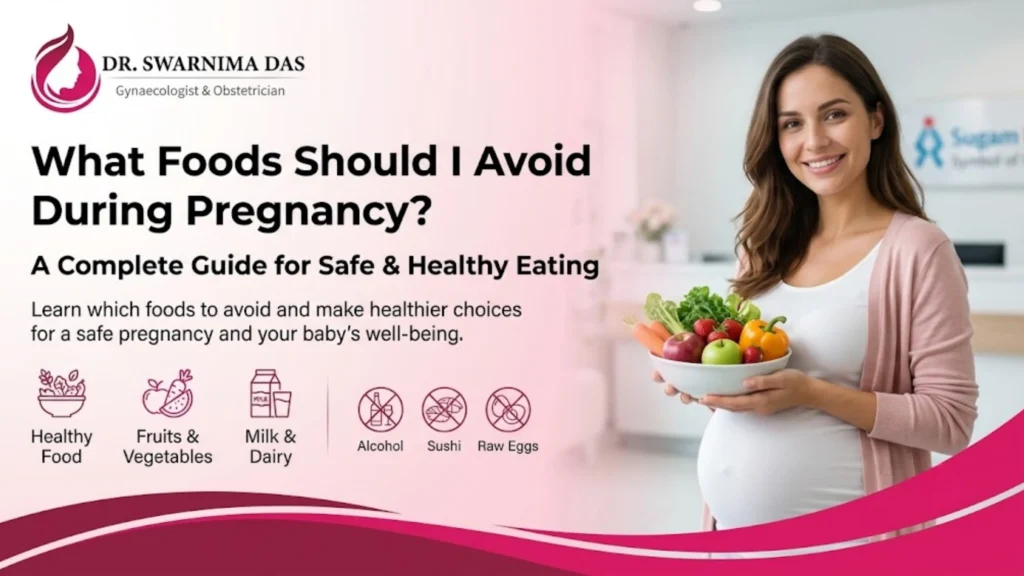
Pregnancy is an exciting journey, but it also brings many questions about what is safe to eat. One of the most common concerns among expectant mothers is understanding the foods to avoid during pregnancy and separating myths from medically proven advice.
While most everyday foods are safe when prepared properly, certain foods may increase the risk of food poisoning, infections, exposure to harmful bacteria, or excessive mercury intake. These risks can affect both the mother and the developing baby. Knowing which foods to avoid, which foods to limit, and how to prepare meals safely can help support a healthy pregnancy.
This guide explains the science behind pregnancy food restrictions, addresses common myths such as papaya and pineapple consumption, and shares practical food safety tips based on current medical recommendations.
Why Diet Matters During Pregnancy
During pregnancy, your body undergoes significant hormonal, metabolic, and immune changes to support your baby’s growth and development.
A healthy diet provides essential nutrients such as:
- Folic acid
- Iron
- Calcium
- Protein
- Omega-3 fatty acids
- Vitamin D
- Iodine
At the same time, pregnancy makes women more vulnerable to foodborne infections caused by bacteria, viruses, and parasites. Certain infections that may cause only mild illness in adults can become more serious during pregnancy.
Maintaining good food hygiene and making informed dietary choices can help reduce unnecessary risks while ensuring adequate nutrition for both mother and baby.
Foods Pregnant Women Should Avoid
Not every restricted food is dangerous because of its nutritional content. In many cases, the concern is related to contamination, harmful bacteria, parasites, or naturally occurring toxins.
Below are the major food groups that should be avoided or handled carefully during pregnancy.
1. Raw or Undercooked Meat
Raw or partially cooked meat may contain harmful microorganisms such as:
- Salmonella
- Listeria
- Toxoplasma gondii
- E. coli
These infections can increase the risk of severe illness during pregnancy and may affect fetal development.
Avoid:
- Rare steaks
- Undercooked chicken
- Raw kebabs
- Half-cooked minced meat
- Raw meat dishes
Instead, ensure meat is cooked thoroughly until there are no pink portions and the internal temperature is safe.
2. Raw or Undercooked Eggs
Eggs that are not fully cooked may contain Salmonella, a bacterium that can cause food poisoning.
Avoid foods containing raw or lightly cooked eggs, including:
- Homemade mayonnaise
- Raw cake batter
- Certain desserts
- Soft scrambled eggs
- Homemade mousse
Choose fully cooked eggs where both the yolk and white are firm.
3. Unpasteurized Milk and Dairy Products
Pasteurization destroys harmful bacteria without reducing nutritional value.
Unpasteurized dairy products may contain:
- Listeria
- Brucella
- Salmonella
Avoid:
- Raw milk
- Homemade dairy products prepared with unpasteurized milk
- Some soft cheeses made from raw milk
Safer alternatives include:
- Pasteurized milk
- Yogurt
- Paneer made from pasteurized milk
- Pasteurized cheese
Always check product labels before purchasing dairy products.
4. Certain Fish High in Mercury
Fish provides valuable nutrients, especially omega-3 fatty acids, but some species contain high levels of mercury.
Excess mercury exposure may affect the baby’s developing brain and nervous system.
Fish commonly recommended to avoid or limit include:
- Shark
- Swordfish
- King mackerel
- Marlin
- Tilefish
Safer choices include:
- Salmon
- Sardines
- Trout
- Anchovies
Consume seafood in moderation and ensure it is thoroughly cooked.
5. Raw or Undercooked Seafood
Raw seafood may contain bacteria, parasites, or viruses that increase the risk of infection.
Avoid:
- Raw oysters
- Raw prawns
- Sushi containing raw fish
- Raw shellfish
Fully cooked seafood is generally considered safer during pregnancy.
6. Processed or Ready-to-Eat Meats
Cold cuts and processed meats may occasionally become contaminated with Listeria, particularly if stored improperly.
Examples include:
- Ham
- Salami
- Sausages
- Deli meats
If consuming these products, heat them until steaming hot before eating.
Foods to Limit During Pregnancy
Some foods do not need to be completely avoided but should be consumed in moderation.
Caffeine
Moderate caffeine intake is generally considered acceptable during pregnancy, but excessive amounts may increase certain pregnancy risks.
Sources include:
- Coffee
- Tea
- Cola drinks
- Energy drinks
- Chocolate
Many international guidelines recommend limiting caffeine intake to approximately 200 mg per day, though individual advice may vary based on your medical history. Discuss your intake with your obstetrician if you are unsure.
Foods High in Sugar
Frequent consumption of sugary foods can contribute to:
- Excessive pregnancy weight gain
- Poor blood sugar control
- Increased risk of gestational diabetes in susceptible individuals
- Dental problems
Examples include:
- Cakes
- Pastries
- Sweetened beverages
- Candies
- Packaged desserts
Choose fresh fruits, nuts, or yogurt as healthier snack options whenever possible.
Highly Processed Foods
Ultra-processed foods are often high in:
- Sodium
- Added sugar
- Saturated fat
- Artificial additives
Although occasional consumption is unlikely to cause harm, relying heavily on processed foods may reduce overall diet quality.
Focus on freshly prepared, balanced meals whenever possible.
Indian Foods to Be Careful About During Pregnancy
Many traditional Indian foods are nutritious, but some require extra caution due to hygiene, preparation methods, or ingredients.
Examples include:
Street Food
Street food may be exposed to dust, flies, contaminated water, or improper storage, increasing the risk of foodborne illness.
Whenever possible, choose freshly cooked food served hot from hygienic vendors or opt for home-cooked meals.
Unwashed Fruits and Vegetables
Fresh produce may carry bacteria, parasites, pesticide residues, or soil contaminants.
Before eating:
- Wash thoroughly under running water.
- Peel fruits when appropriate.
- Avoid pre-cut fruits sold in open markets if hygiene is uncertain.
Refrigerated Leftovers
Leftover food that has been stored improperly or kept at room temperature for extended periods may allow bacteria to multiply.
To reduce risk:
- Refrigerate leftovers promptly.
- Reheat thoroughly until steaming hot.
- Discard food that has been left out for too long or has an unusual smell or appearance.
Herbal Supplements and Traditional Remedies
Many herbal products are marketed as natural, but “natural” does not always mean safe during pregnancy.
Some herbs may interact with medications or have effects that are not well studied in pregnant women.
Always consult your obstetrician before taking herbal supplements, Ayurvedic preparations, or over-the-counter remedies during pregnancy.
Common Pregnancy Food Myths Explained
Pregnancy is often accompanied by well-meaning advice from family, friends, and social media. However, not all recommendations are supported by scientific evidence. Understanding the difference between myths and evidence-based guidance can help you make informed decisions about your diet.
Myth 1: Papaya Always Causes Miscarriage
Fact: Not all papaya is unsafe.
This is one of the most common pregnancy myths in India.
- Unripe or semi-ripe papaya contains higher amounts of latex, which may stimulate uterine contractions in laboratory settings. For this reason, it is generally recommended to avoid unripe papaya during pregnancy.
- Ripe papaya, on the other hand, contains very little latex and is rich in vitamins A and C, fiber, and antioxidants. In moderate amounts, ripe papaya is generally considered safe for most healthy pregnancies.
If you have a high-risk pregnancy or a history of pregnancy complications, discuss dietary choices with your obstetrician.
Myth 2: Pineapple Causes Miscarriage
Fact: There is no strong scientific evidence that eating normal amounts of ripe pineapple causes miscarriage.
Pineapple contains an enzyme called bromelain, but the amount present in fresh pineapple is very small and is unlikely to affect pregnancy when eaten in moderation.
For most healthy pregnant women, occasional consumption of ripe pineapple as part of a balanced diet is considered safe.
Myth 3: Spicy Food Harms the Baby
Fact: Spicy food does not directly harm the developing baby.
However, pregnancy hormones may increase sensitivity to spicy foods, leading to:
- Heartburn
- Acid reflux
- Indigestion
- Stomach discomfort
If spicy foods worsen your symptoms, reducing the amount may improve comfort.
Myth 4: Pregnant Women Should Eat for Two
Fact: Pregnancy increases nutritional needs, not simply calorie intake.
Rather than doubling food portions, focus on nutrient-dense foods such as:
- Whole grains
- Fruits
- Vegetables
- Lean proteins
- Dairy products
- Healthy fats
Your calorie requirements vary by trimester and should be individualized based on your health, weight, and pregnancy progression.
Safe Alternatives to High-RRisk Foods
If you’re avoiding certain foods during pregnancy, there are many nutritious alternatives that can help you meet your nutritional needs.
| Instead of | Choose |
|---|---|
| Raw sushi | Fully cooked fish or vegetable sushi |
| Unpasteurized milk | Pasteurized milk |
| Soft cheese made from raw milk | Pasteurized cheese |
| Raw eggs | Fully cooked eggs |
| High-mercury fish | Salmon, sardines, trout |
| Processed snacks | Fresh fruits and nuts |
| Sugary desserts | Yogurt with fresh fruit |
| Soft drinks | Water, coconut water, milk, homemade lemonade |
These substitutions allow you to enjoy a varied and balanced diet while reducing unnecessary risks.
Food Safety Tips for Pregnant Women
Food safety is just as important as food selection during pregnancy.
Wash Fruits and Vegetables Properly
Wash fresh produce thoroughly under clean running water before eating or cooking. This helps remove dirt, bacteria, and pesticide residues.
Cook Food Thoroughly
Ensure that:
- Meat is fully cooked
- Eggs are completely cooked
- Seafood is cooked until opaque
- Leftovers are reheated until steaming hot
Avoid tasting partially cooked foods during preparation.
Practice Good Kitchen Hygiene
Simple hygiene measures can reduce the risk of foodborne infections:
- Wash hands before handling food.
- Clean cutting boards and utensils after preparing raw meat.
- Keep raw and cooked foods separate.
- Refrigerate perishable foods promptly.
Check Expiry Dates
Avoid consuming:
- Expired packaged foods
- Damaged cans
- Swollen food packages
- Products with broken seals
Be Careful When Eating Outside
Restaurant meals can generally be enjoyed, but choose establishments known for good hygiene.
Prefer:
- Freshly cooked meals
- Hot foods served immediately
- Fresh drinking water
- Well-cooked dishes
Avoid:
- Raw salads if hygiene is uncertain
- Buffets where food has been sitting for long periods
- Undercooked meat or seafood
Healthy Eating Tips for Every Trimester
Nutritional needs change throughout pregnancy.
First Trimester
Focus on:
- Folic acid-rich foods
- Small, frequent meals if nausea is present
- Adequate hydration
- Whole grains
- Fresh fruits and vegetables
Avoid skipping meals, even if morning sickness affects your appetite.
Second Trimester
Increase intake of:
- Protein
- Iron-rich foods
- Calcium
- Healthy fats
This stage supports rapid fetal growth and maternal tissue development.
Third Trimester
Continue consuming:
- Protein-rich foods
- Calcium-rich foods
- Iron-rich foods
- Fiber-rich foods
- Plenty of fluids
Eating smaller meals more frequently may help reduce heartburn and improve digestion.
Special Dietary Considerations During Pregnancy
Some women require individualized nutrition advice based on medical conditions.
Gestational Diabetes
Women diagnosed with gestational diabetes may need to:
- Monitor carbohydrate intake
- Limit sugary beverages
- Choose whole grains
- Eat balanced meals
- Follow a personalized meal plan
Dietary recommendations should always be guided by the treating obstetrician or dietitian.
Iron Deficiency Anemia
Iron requirements increase during pregnancy.
Good dietary sources include:
- Green leafy vegetables
- Lentils
- Beans
- Lean meat
- Eggs
- Iron-fortified cereals
Iron supplements should only be taken as prescribed.
High-Risk Pregnancy
Women with conditions such as:
- High blood pressure
- Multiple pregnancy (twins or more)
- Thyroid disorders
- Previous pregnancy complications
- Kidney disease
may require individualized dietary planning and closer medical supervision.
When Should You Consult a Gynecologist or Dietitian?
Seek professional advice if you:
- Have persistent vomiting that prevents normal eating
- Experience significant weight loss during pregnancy
- Have gestational diabetes or high blood pressure
- Follow a vegetarian or vegan diet and need nutritional guidance
- Have food allergies or digestive disorders
- Are unsure whether specific foods or supplements are safe
- Experience symptoms of food poisoning such as fever, severe diarrhea, or persistent vomiting after eating
Personalized nutrition advice can help ensure both maternal health and healthy fetal development throughout pregnancy.
Conclusion
Healthy eating during pregnancy is about making informed choices rather than avoiding large numbers of foods unnecessarily. While certain foods—such as raw meat, unpasteurized dairy products, high-mercury fish, and undercooked eggs—should be avoided because of proven health risks, many commonly feared foods, including ripe papaya and pineapple, can often be enjoyed in moderation when appropriate.
Practicing good food hygiene, choosing freshly prepared meals, staying hydrated, and maintaining a balanced diet rich in essential nutrients are important steps toward supporting a healthy pregnancy.
If you have questions about your pregnancy diet, nutritional needs, or medical conditions such as gestational diabetes or anemia, consult a qualified obstetrician for personalized guidance based on your health, trimester, and pregnancy progress.
Pregnant women in Patia, Kanan Vihar, Chandrasekharpur, and nearby areas of Bhubaneswar can consult experienced obstetricians for personalized pregnancy nutrition counseling, prenatal check-ups, high-risk pregnancy care, and evidence-based dietary recommendations tailored to each stage of pregnancy.
Medical Disclaimer
This article is intended for educational purposes only and should not replace professional medical advice, diagnosis, or treatment. Dietary recommendations during pregnancy may vary depending on your medical history, nutritional status, and pregnancy-related conditions. Always consult a qualified obstetrician or healthcare professional before making significant changes to your diet or taking nutritional supplements.
Frequently Asked Questions
1. What foods should I avoid during pregnancy?
Avoid raw or undercooked meat, raw seafood, high-mercury fish, unpasteurized milk and dairy products, raw eggs, and foods that may increase the risk of foodborne infections.
2. Can pregnant women eat papaya?
Ripe papaya is generally considered safe in moderation for most healthy pregnancies. However, unripe or semi-ripe papaya is usually avoided because it contains higher amounts of latex.
3. Is pineapple safe during pregnancy?
Yes. Eating moderate amounts of ripe pineapple is generally considered safe. There is no strong scientific evidence that normal pineapple consumption causes miscarriage.
4. Can pregnant women drink coffee?
Yes, but caffeine intake should be limited. Many medical guidelines recommend keeping caffeine consumption below approximately 200 mg per day, although individual recommendations may differ.
5. Which fish should pregnant women avoid?
Avoid fish known to contain high levels of mercury, including shark, swordfish, king mackerel, marlin, and tilefish.
6. Is spicy food harmful during pregnancy?
Spicy food does not directly harm the baby. However, it may worsen heartburn, acid reflux, or indigestion in some pregnant women.
7. Can I eat restaurant food during pregnancy?
Yes, provided the food is freshly prepared, thoroughly cooked, and served by establishments that follow good hygiene practices.
8. Are leftovers safe during pregnancy?
Leftovers can be eaten if they have been refrigerated promptly and reheated until steaming hot before consumption.
9. Which fruits are safe during pregnancy?
Most fresh fruits, including apples, bananas, oranges, berries, mangoes, and ripe papaya, can be safely included in a balanced pregnancy diet after being washed thoroughly.
10. Can food poisoning affect my baby?
Yes. Certain foodborne infections during pregnancy may increase the risk of complications. Practicing safe food handling and avoiding high-risk foods can help reduce this risk.
11. Should I avoid all seafood during pregnancy?
No. Fully cooked, low-mercury seafood can be a healthy source of protein and omega-3 fatty acids. Avoid raw seafood and fish with high mercury levels.
12. Are herbal supplements safe during pregnancy?
Not always. Some herbal products have not been adequately studied during pregnancy and may not be safe. Always consult your healthcare provider before using herbal supplements.
13. What should I do if I accidentally eat a food that is not recommended during pregnancy?
Do not panic. A single exposure does not always cause harm. Monitor for symptoms such as fever, vomiting, severe diarrhea, or abdominal pain, and contact your obstetrician promptly if you develop any concerning symptoms or have questions about the specific food consumed.
14. What are the signs of food poisoning during pregnancy?
Symptoms may include nausea, vomiting, diarrhea, stomach cramps, fever, chills, or dehydration. If these symptoms are severe, persistent, or accompanied by reduced fetal movements later in pregnancy, seek medical care promptly.
15. When should I consult a doctor about my pregnancy diet?
Consult your obstetrician if you have ongoing nausea or vomiting, difficulty maintaining a balanced diet, medical conditions such as gestational diabetes or anemia, food allergies, or concerns about which foods are safe during pregnancy.