


Women often wonder about the early signs to see a gynecologist, especially when symptoms feel unusual or concerning. While some menstrual changes are normal, certain warning signs may indicate infections, hormonal imbalances, fibroids, PCOS, or more serious conditions.
This guide explains the key symptoms that should not be ignored, when monitoring is reasonable, and when urgent consultation is necessary.
What Are Early Signs of Gynecological Problems?
Gynecological issues may affect the uterus, ovaries, cervix, fallopian tubes, or hormonal system. Early signs can include:
- Changes in menstrual cycle pattern
- Unusual vaginal bleeding
- Severe or worsening period pain
- Abnormal discharge
- Persistent pelvic discomfort
Not all symptoms mean a serious disease. However, recognizing what is normal vs abnormal helps you make safe decisions.
1. Abnormal Vaginal Bleeding
Abnormal bleeding is one of the most common reasons women search for medical help.
When Is Vaginal Bleeding Abnormal?
Bleeding may require medical evaluation if it includes:
- Bleeding between periods
- Very heavy flow (soaking 1 pad/tampon every hour for several hours)
- Periods lasting more than 7–8 days
- Bleeding after sexual intercourse
- Bleeding after menopause
Possible causes include:
- Hormonal imbalance
- Uterine fibroids
- Endometrial polyps
- PCOS
- Thyroid disorders
- Cervical or uterine cancer (less common but important to rule out)
Bleeding after menopause should always be evaluated promptly.
2. Severe or Worsening Period Pain
Mild cramps are common. However, severe pain is not always “normal.”
When Is Period Pain Concerning?
Seek evaluation if:
- Pain prevents you from working or attending school
- Pain does not improve with usual medication
- Pain is getting worse each month
- Pain is associated with nausea, fainting, or fever
Severe menstrual pain may be linked to:
- Endometriosis
- Adenomyosis
- Fibroids
- Pelvic inflammatory disease
If pain suddenly becomes sharp and intense, urgent care may be required.
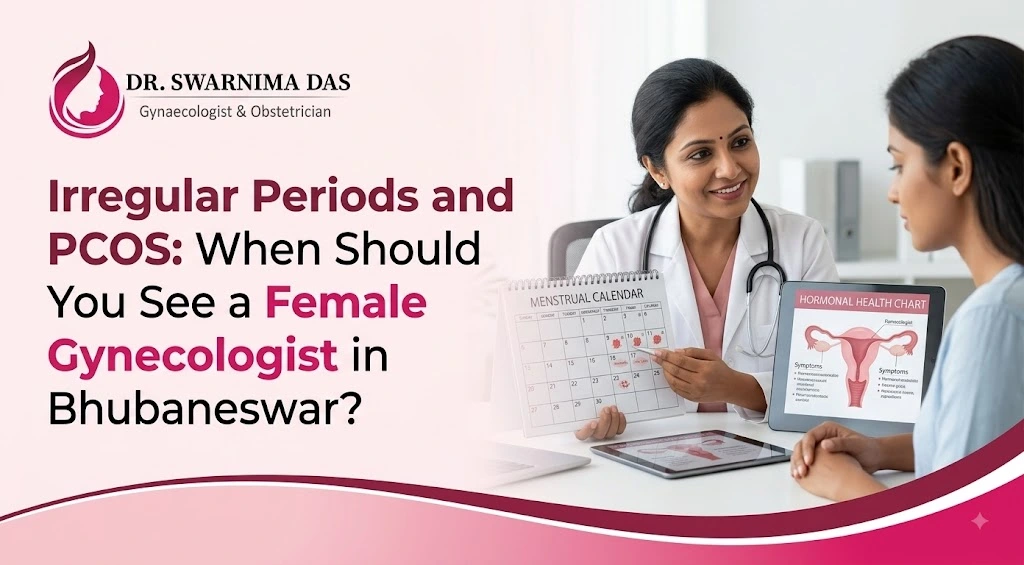
3. Irregular or Missed Periods
Occasional cycle variation can happen due to stress or travel. However, persistent irregularity needs assessment.
Warning Signs:
- No period for 3 months (not pregnant)
- Cycles shorter than 21 days or longer than 35 days
- Very unpredictable bleeding patterns
- Missed periods with acne or weight gain
Common causes include:
- PCOS
- Thyroid imbalance
- Excess stress
- Rapid weight changes
- Premature ovarian insufficiency
If you are asking, “Is my period normal?” — tracking cycles for 2–3 months and consulting a gynecologist can provide clarity.
4. Unusual Vaginal Discharge
Vaginal discharge is normal. However, changes in color, smell, or consistency may signal infection.
When Is Discharge Abnormal?
Consult a doctor if you notice:
- Yellow, green, or grey discharge
- Strong or foul odor
- Thick, cottage-cheese-like discharge with itching
- Burning sensation while urinating
Possible causes:
- Fungal infection
- Bacterial vaginosis
- Sexually transmitted infections
- Cervical infection
Embarrassment often delays consultation, but timely evaluation prevents complications.
5. Persistent Pelvic Pain
Pelvic pain is discomfort below the belly button and above the thighs.
When Is Pelvic Pain Serious?
- Pain lasting more than a few days
- Pain unrelated to periods
- Pain during intercourse
- Pain with fever
- Sudden severe lower abdominal pain
Potential causes:
- Ovarian cyst
- Ectopic pregnancy
- Endometriosis
- Pelvic infection
- Appendicitis (non-gynecological but serious)
Sudden sharp pain with dizziness requires emergency evaluation.
When Should You See a Gynecologist Immediately?
Seek urgent care if you experience:
- Very heavy bleeding causing weakness
- Bleeding after menopause
- Sudden severe abdominal pain
- Fever with pelvic pain
- Fainting or severe dizziness
- Suspected pregnancy with pain
When Is It Safe to Monitor Symptoms?
You may monitor temporarily if:
- Mild cramps respond to medication
- One slightly irregular cycle
- Mild discharge without odor or itching
However, if symptoms persist beyond 1–2 cycles, consultation is recommended.
Importance of Regular Gynecological Checkups
Even without symptoms, routine gynecological exams help detect:
- Cervical changes
- PCOS
- Fibroids
- Hormonal disorders
- Early-stage cancers
Women should consider periodic screening based on age, symptoms, and medical history.
Risks of Ignoring Symptoms
Delaying medical care may result in:
- Worsening infection
- Severe anemia from heavy bleeding
- Fertility complications
- Delayed diagnosis of serious conditions
Most gynecological issues are manageable when evaluated timely.