


Planning a pregnancy involves more than simply stopping contraception and trying to conceive. Knowing how to prepare for a healthy pregnancy before conception can help you identify health concerns, review medicines, update vaccinations and make practical lifestyle changes before pregnancy begins.
Preconception care is especially useful if you have a medical condition, take regular medicines, have irregular periods, have experienced pregnancy complications, or have concerns about fertility.
Why Prepare for Pregnancy Before Conception?
Some important aspects of pregnancy preparation are easier to address before conception. A preconception discussion can include your general health, menstrual history, medications, vaccinations, nutrition, lifestyle and relevant family history.
The goal is not to achieve a “perfect” pregnancy. Instead, preparation helps you and your healthcare professional identify factors that may need attention before you start trying.
When Should You Start Preparing for Pregnancy?
There is no single preparation period that applies to everyone. Ideally, begin discussing pregnancy plans before trying to conceive, particularly if you have an existing health condition or use regular medication.
Preparing ahead also gives you time to review:
- Current medical conditions
- Prescription and over-the-counter medicines
- Vaccination history
- Menstrual and reproductive health
- Nutrition and physical activity
- Smoking, alcohol and other substance use
- Previous pregnancy or birth complications
- Relevant family or genetic history
If you already know you have PCOS, thyroid disease, diabetes, hypertension or another chronic condition, discuss pregnancy planning with a healthcare professional before conception.
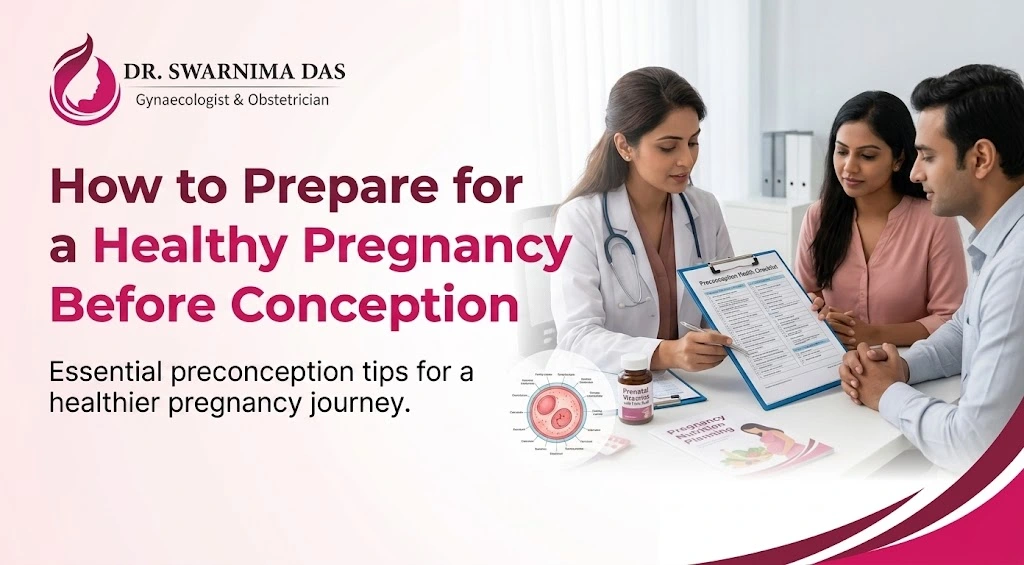
Get a Preconception Health Checkup
A pre-pregnancy checkup is not necessarily the same for every woman. Your doctor may decide what needs to be reviewed based on your age, medical history, menstrual pattern, medications and previous pregnancies.
Depending on your individual circumstances, your consultation may include:
Medical and reproductive history
Your doctor may ask about your menstrual cycle, previous pregnancies, contraception, medical conditions and any symptoms that could affect pregnancy planning.
Medicines and supplements
Some medicines may need to be changed, stopped or adjusted before pregnancy, while others may be important to continue.
Do not stop prescribed medication on your own. Discuss all medicines, supplements and herbal products with your healthcare professional before making changes.
Tests when clinically appropriate
There is no universal list of tests that every woman needs before conception. Your doctor may recommend investigations based on your history, symptoms or known health conditions.
This individualized approach can avoid unnecessary testing while helping identify issues that deserve attention.
Start Folic Acid Before Pregnancy
Folic acid is an important part of preconception care. The supplied research notes CDC guidance recommending 400 micrograms of folic acid daily for people who could become pregnant, beginning before pregnancy, to help prevent major birth defects of the baby’s brain and spine.
Some women may require a different dose because of particular medical circumstances or medications. Therefore, ask your doctor which dose is appropriate for you rather than assuming that a higher dose is always better.
Review Your Diet and Nutrition
A balanced diet supports overall health before pregnancy. Focus on a varied eating pattern that includes vegetables, fruits, whole grains, pulses, protein sources and appropriate sources of healthy fats.
Avoid relying on “fertility” supplements or restrictive diets without medical advice. Supplements should be selected according to individual nutritional needs and pregnancy-planning considerations.
Maintaining adequate nutrition before conception is more useful than following a short-term crash diet.
Maintain a Healthy Lifestyle
Healthy habits are part of pregnancy preparation for both partners.
Physical activity
Regular, moderate physical activity can support general health and help maintain fitness before pregnancy. The appropriate level may differ depending on your health and existing conditions.
Avoid tobacco and alcohol
Smoking and tobacco exposure can affect reproductive health and pregnancy. Alcohol should also be avoided when trying to conceive because pregnancy may occur before it is recognized.
If stopping tobacco or alcohol is difficult, professional support can be useful.
Maintain a healthy weight
Being significantly underweight or overweight may be associated with reproductive and pregnancy-related concerns in some women.
However, weight should be discussed in the context of your overall health rather than treated as a simple measure of fertility.
Review Medicines, Vaccinations and Existing Health Conditions
Medication and vaccination review is an important part of preconception care. The supplied research specifically identifies these areas as key elements that should be addressed before pregnancy.
If you have diabetes, thyroid problems, PCOS, hypertension or another chronic condition, ask how it may affect pregnancy planning.
Your vaccination status may also need review. Some vaccines are recommended before pregnancy, while certain vaccines may not be appropriate during pregnancy. Your doctor can advise based on your vaccination history.
Why Your Partner’s Health Matters Too
Pregnancy preparation should not focus only on the woman.
A man’s health can also be relevant to conception. Smoking, alcohol use, certain medical conditions, medications and lifestyle factors may influence male reproductive health.
For this reason, couples planning pregnancy can consider making healthy lifestyle changes together. The supplied research also recommends including partner health in a practical preconception checklist.
When to See a Gynecologist Before Trying to Conceive
A preconception consultation can be particularly useful if you have:
- Irregular or absent periods
- PCOS or suspected hormonal problems
- Thyroid disease or diabetes
- Previous pregnancy complications
- A history of recurrent pregnancy loss
- Concerns about fertility
- Regular prescription medicines
- Questions about vaccinations or supplements
- A relevant family or genetic history
You do not need to wait until you are pregnant to discuss pregnancy planning.
Risks and Limitations
Preconception guidance cannot predict whether or when pregnancy will occur. Not every pregnancy-related concern can be identified through a routine consultation.
Likewise, not every woman needs the same tests, supplements or treatment. Individual recommendations should be based on medical history, examination and clinical judgment.
Conclusion
Preparing for pregnancy before conception gives you an opportunity to review your health, medicines, vaccinations, nutrition and lifestyle before pregnancy begins. Folic acid, appropriate physical activity, avoidance of tobacco and alcohol, and management of existing health conditions are important parts of this preparation.
If you have a medical condition, irregular periods, previous pregnancy complications, medication concerns or questions about fertility, discussing your plans with a gynecologist before trying to conceive can help you understand what is appropriate for your individual situation.
Medical Disclaimer:
This article provides general health information and does not replace an individualized consultation, diagnosis or treatment plan from a qualified healthcare professional.
FAQs
1. How should I prepare for pregnancy before conception?
Review your health conditions, medicines, vaccinations, nutrition, lifestyle and reproductive history. Starting folic acid before pregnancy is also an important part of preparation.
2. When should I start preparing for pregnancy?
Ideally, pregnancy preparation should begin before you start trying to conceive. Earlier consultation can be particularly useful if you have a medical condition, take regular medicines or have experienced pregnancy complications.
3. Should I see a gynecologist before trying to conceive?
A preconception consultation can be useful for reviewing your health, medications, vaccinations, menstrual history and any concerns that could affect pregnancy planning.
4. Should I take folic acid before getting pregnant?
Yes. The supplied research cites guidance recommending 400 micrograms of folic acid daily for people who could become pregnant, beginning before pregnancy. Some individuals may require a different dose based on their medical circumstances.
5. What tests are needed before pregnancy?
There is no single testing package suitable for everyone. Tests should be selected according to your medical history, symptoms, reproductive history and known health conditions.
6. Can my regular medicines affect pregnancy planning?
Some medicines may require review before conception. Do not stop prescribed medication without medical advice; discuss your medicines, supplements and herbal products with your healthcare professional.